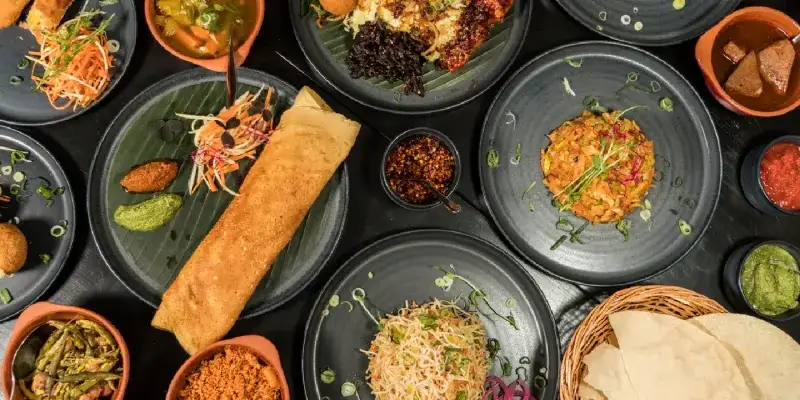
Top 10 Sri Lankan Dishes You absolutely must try
Discover 10 authentic Sri Lankan dishes you need to try! From spicy curries to sweet treats, explore the flavors of Sri Lanka like a local.
Witness the solar eclipse in Tunisia 2027 from Sfax, 6+ minutes of totality on Aug 2. Carthage, El Jem, Sahara & Kairouan in 8 days. Book your place!
Explore Tunisia on this 8-day tour package, from historic Tunis and Carthage to the Sahara, scenic oases, and the coastal beauty of Hammamet.
Embark on a 10-day Tunisia cultural tour: explore historic Tunis, Carthage ruins, Sahara oases, and camel rides in Douz.
Extend your adventure beyond borders, combine two remarkable destinations into one seamless journey, and experience more of the world without the extra planning!
Experience Tunisia on a 6-day trip, exploring Carthage, Kairouan, El Jem, Sidi Bou Said, Sousse, and vibrant medinas.
Discover all that Tunisia has to offer on this 11-day travel package, from ancient ruins and desert oases to coastal gems and more!
Experience the Sahara like never before on a 6-day Tunisia desert tour, from golden dunes to historic oases and El Jem.
Adventure through Tunisia: 6 days of troglodyte houses, desert landscapes, camel rides & UNESCO wonders at El Jem & Kairouan!
Experience a journey through multiple destinations with expertly curated itineraries that connect you to the best each country has to offer.
Explore TourGot questions? We’ve got answers. Find everything you need to know to plan your perfect trip.
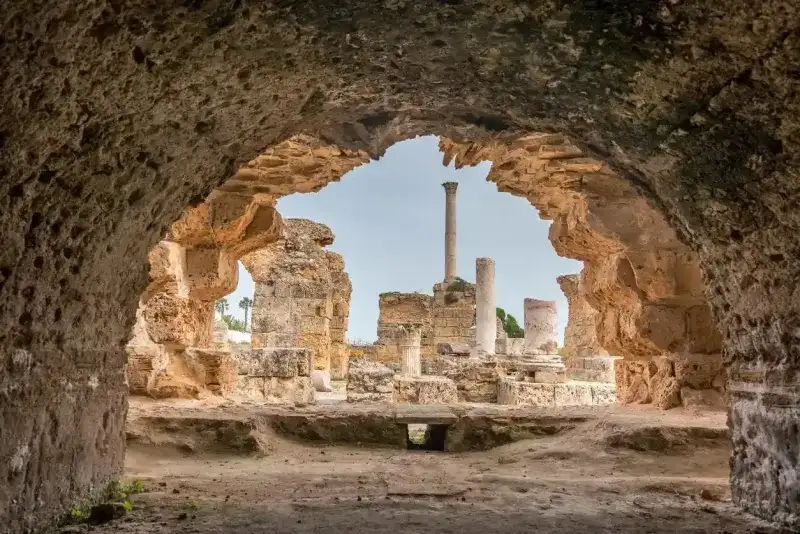
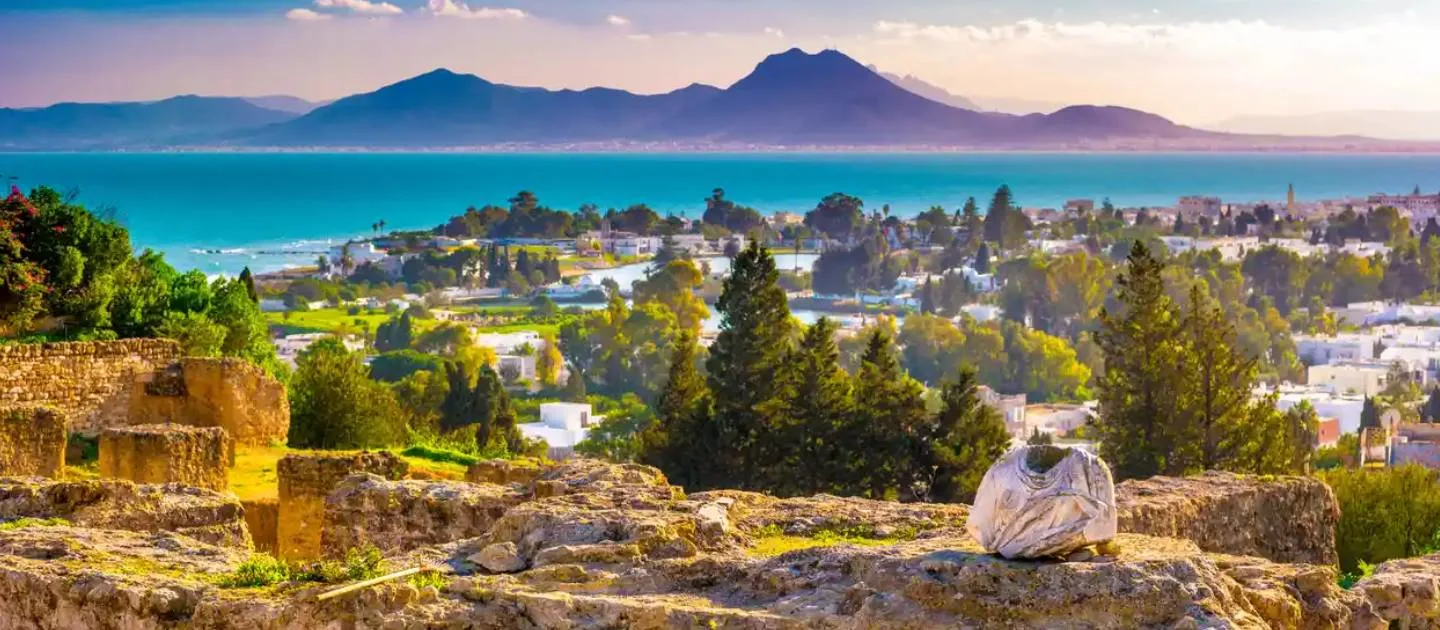
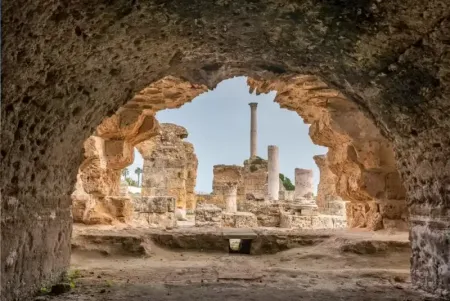
Carthage was a powerful ancient Phoenician city-state founded in 814 BC, becoming Rome's greatest rival. Famous for Hannibal crossing the Alps with elephants. The Romans destroyed Carthage in 146 BC, and later rebuilt it as a major Roman city. Today, Carthage ruins (UNESCO World Heritage Site) include Roman baths, amphitheater, villas, and Punic ports. Located in Tunis's suburbs, Carthage is essential for Tunisia tour packages; its historical significance rivals Rome itself. Ruins are less crowded than European sites with expert guides explaining fascinating history.
Essentials: Lightweight modest clothing (covering shoulders/knees), comfortable walking shoes, sandals, sun protection (hat, sunglasses, SPF 50+ sunscreen), light jacket for evenings/AC, scarf for women (mosques), swimwear for beaches/hotels, power adapter (Type C/E), basic first-aid kit, hand sanitizer, reusable water bottle, daypack. For Sahara: warmer layers (desert nights cold), closed-toe shoes for sand. Tunisia travel packages involve walking, so comfort is key.
Absolutely! Tunisia tour packages are family-friendly with activities kids love: exploring ancient Roman ruins, camel rides in the Sahara, beach time at Mediterranean resorts, visiting Carthage archaeological sites, shopping in colorful souks, and experiencing traditional culture. Best for kids 7+. Family Tunisia trips include appropriate pacing, kid-friendly accommodations, and engaging guides. Tunisia's compact size makes travel easy less time in vehicles means happier children!
Yes! Tunisia tours are excellent for solo travelers. I can join small group Tunisia travel packages (typically 10-15 people), meeting fellow travelers, or book private tours. Solo female travelers should take normal precautions: dress modestly, avoid walking alone at night in isolated areas, and stay in tourist zones. Tunisia is generally safe with friendly locals. Many solo travelers report positive experiences on Tunisia trips.
Yes, with reasonable precautions. Tunisia is safer than many North African/Middle Eastern countries. I should dress modestly (covering shoulders/knees), avoid walking alone at night, stay in tourist areas, book reputable Tunisia tour packages with professional guides, and trust my instincts. Unwanted attention (catcalling, following) can occur but is usually harmless. Firm "non" (no) works. Many solo women successfully travel in Tunisia; organized tours provide additional security and companionship.
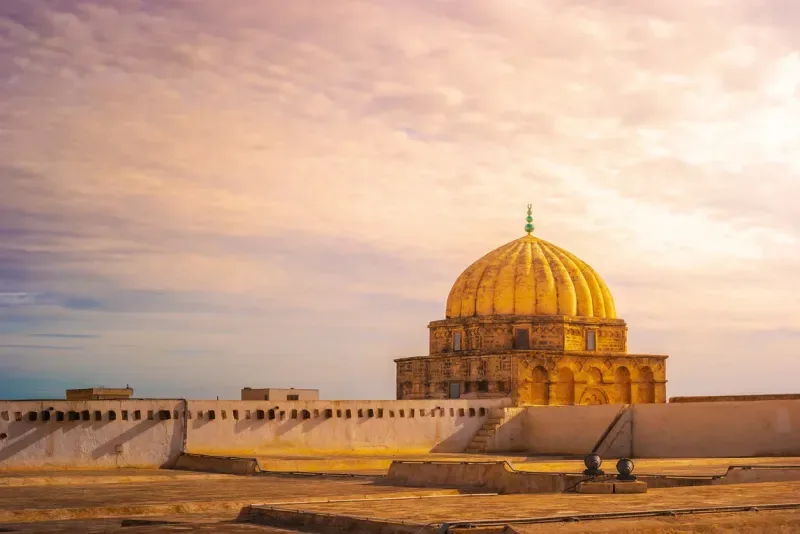
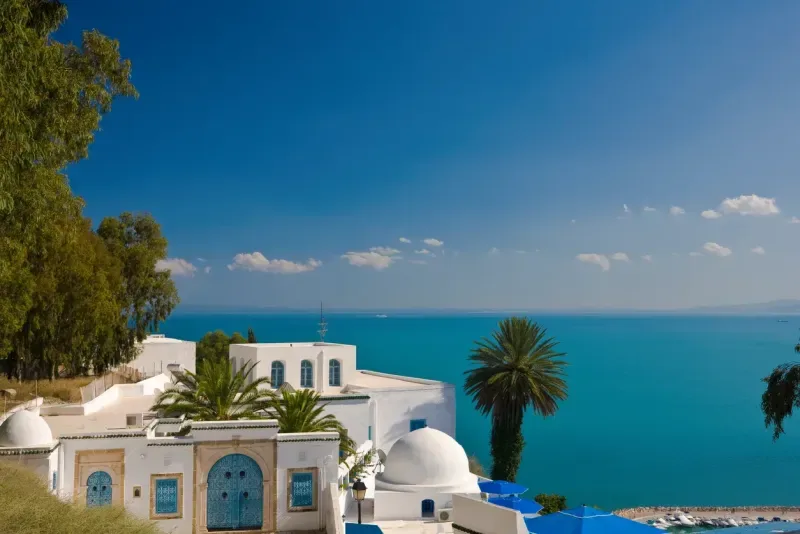
Top destinations in Tunisia travel packages: Tunis (capital, medina, museums), Carthage (ancient Phoenician/Roman ruins), Sidi Bou Said (stunning blue-and-white cliffside village), Sousse (beaches, medina), Hammamet (resort town, beaches), Kairouan (Islam's fourth holiest city, Grand Mosque), El Jem (spectacular Roman amphitheater), Dougga (best-preserved Roman ruins in North Africa), Matmata (underground Berber homes, Star Wars filming location), Sahara Desert (Douz, camel trekking), Djerba Island (beaches, ancient synagogue). Tunisia tours combine multiple destinations beautifully.
Minimum 5-7 days for Tunisia tour packages covering highlights: Tunis, Carthage, Sidi Bou Said, Kairouan, El Jem, Sahara. Ideal: 8-10 days, adding Dougga, coastal areas, more Sahara time. Extended 12-14 days: comprehensive Tunisia trips including Djerba Island, southern oases, and additional archaeological sites. Weekend city breaks (3-4 days) work for Tunis/Carthage only. I should book longer Tunisia travel packages to truly experience the country's diversity without rushing.
The deposit required is usually 50% of the total price of the tour, except during peak travel times like Christmas and New Year's, when the deposit will have to be 50% of the total price. You can pay the deposit for your Tunisia tours using a credit card (Visa and Mastercard are accepted) or a bank order directly to Memphis Tours. Our representatives will be willing to provide any additional information or support you need to complete your payment. If paying the deposit in one transaction is not possible, please contact Memphis Tours to inquire about the possibility of making the payment in installments.
Memphis Tours doesn't charge additional fees or surcharges on transactions using debit or credit cards. They accept Visa and Mastercard with no hidden fees when I book Tunisia travel packages.
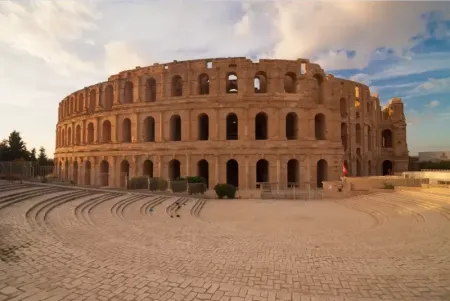
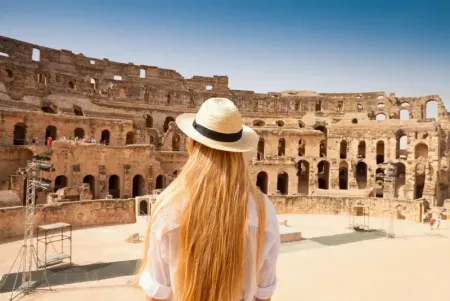
Must-see archaeological sites in Tunisia travel packages: Carthage (ancient Phoenician city destroyed by Romans, UNESCO site), El Jem Amphitheater (world's 3rd largest Roman amphitheater, incredibly preserved), Dougga (stunning Roman ruins with theater, capitol, temples), Bulla Regia (unique underground Roman villas), Sbeitla (well-preserved Roman forum), Kerkouane (only surviving Punic city), Thuburbo Majus (Roman baths and capitol). Tunisia tours rival Italy/Greece for Roman archaeology at a fraction of the crowds and cost!
Tunisia has a Mediterranean climate with hot, dry summers and mild winters. Summer (June-August): 30-38°C (86-100°F), perfect for beaches but hot for ruins. Spring/Fall (March-May, September-November): 18-28°C (64-82°F), ideal for Tunisia tours, comfortable for sightseeing and the beach. Winter (December-February): 10-18°C (50-64°F), mild and pleasant for exploring. The Sahara Desert has extreme temperatures, with hot days and cold nights. I pack layers for Tunisia travel packages.
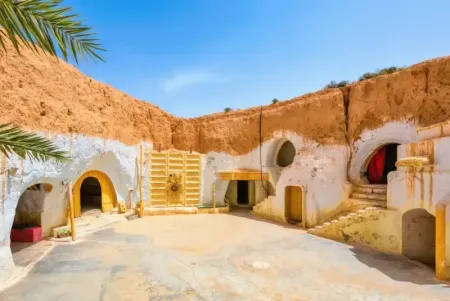
Matmata features unique troglodyte dwellings underground, Berber homes carved into the earth for natural climate control (cool in summer, warm in winter). Some families still live in these ancient homes. Famous as a Star Wars filming location (Luke Skywalker's home planet, Tatooine!). I can visit traditional homes, meet locals, and even stay in a hotel built in troglodyte style. Fascinating cultural experience on Tunisia travel packages showing ingenious desert architecture.
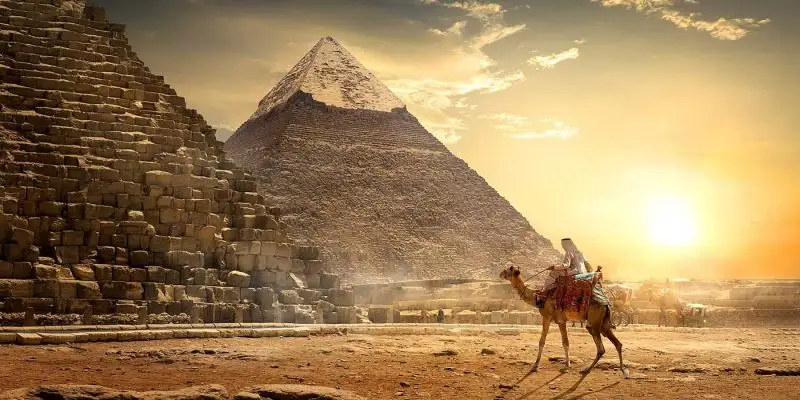
Yes! Tunisia trips combine well with nearby destinations. Common combinations: Tunisia + Morocco (North African cultural journey), Tunisia + Egypt (ancient civilizations tour). Some operators offer pre-designed combined Tunisia tour packages, or I can request custom itineraries. Combining countries requires more time (minimum 14 days) but provides a richer regional understanding.
Yes! Tunisia has beautiful Mediterranean beaches with white sand and turquoise water. Top beach destinations: Hammamet (most popular resort town), Sousse (beaches plus historic medina), Djerba Island (pristine beaches, all-inclusive resorts), Monastir (less touristy beaches), Mahdia (authentic fishing town beaches). Summer (June-September) is perfect for beach time. Many Tunisia travel packages combine cultural sites with beach relaxation, the best of both worlds! Beach resorts offer water sports, spas, and golf.
Hammam is a traditional North African bathhouse/spa must-try cultural experience! Process includes steam room, exfoliating scrub (kessa glove removes dead skin), soap massage, and relaxation. Separate facilities for men and women. I can visit public hammams (authentic, budget-friendly, 10-20 TND) or hotel hammams (luxurious, 40-80 TND). Tip attendants 5 TND. Included in some Tunisia tours. Incredibly relaxing and leaves skin amazingly soft. Don't skip this traditional experience!
Must-try Tunisian cuisine: Couscous (national dish, steamed semolina with vegetables/meat), Brik (crispy pastry filled with egg, tuna, sometimes shrimp), Harissa (spicy chili paste Tunisia's famous condiment), Mechouia salad (grilled vegetables with olive oil), Lablabi (chickpea soup, breakfast specialty), Ojja (eggs with tomatoes, peppers, merguez sausage), Makroudh (date-filled semolina cookies), Mint tea (sweet, refreshing tradition). Tunisia travel packages include authentic meals. Tunisian food is delicious, fresh, and flavorful!
Tunisian cuisine uses harissa (spicy chili paste), but the spice level is controllable. Harissa is typically served on the side, so I add the amount I want. Dishes themselves range from mild to moderately spicy, not extremely hot. If I'm sensitive to spice, I ask for meals without harissa or request "mild" when ordering. Tunisia tour packages accommodate dietary preferences. Overall, Tunisian food is more flavorful than fiery, with fresh Mediterranean ingredients.
Yes! Tunisia has many vegetarian options: couscous with vegetables, mechouia salad, oja (without meat), brik (can be cheese/vegetable), lablabi soup, various salads, fresh fruits, and pastries. I inform Tunisia travel packages guides about vegetarian needs. Restaurants in tourist areas understand dietary requirements. Traditional cuisine uses lots of vegetables, olive oil, and grains. Vegans need to specify, as some dishes contain dairy/eggs. Overall, a vegetarian-friendly destination!
Popular Tunisian souvenirs: Ceramics (colorful hand-painted pottery), Carpets (handwoven Berber/Kairouan designs), Leather goods (bags, slippers, poufs), Olive oil (Tunisia is major producer), Harissa (spicy paste in jars/tubes), Dates (Deglet Nour variety famous), Jasmine perfume (traditional scent), Copper/brassware (trays, lamps), Sand roses (desert mineral formations), Berber jewelry (silver, traditional designs). Tunisia tour packages include souk shopping with guides helping negotiate fair prices. Souvenirs are authentic, well-made, and affordable!
Yes! Bargaining is expected and part of the shopping culture in souks (markets). I start at 40-50% of the asking price, negotiate friendly, and walk away if too high (vendors often call back with a better price). Fixed prices apply at modern shops and malls. Tunisia travel packages guides teach bargaining etiquette and fair price ranges. The process is social interaction as much as transaction; enjoy the cultural experience! Never pay the first price quoted.
Yes, credit cards (Visa and Mastercard) work at hotels, upscale restaurants, tourist shops, and car rentals. American Express is less commonly accepted. I should notify my bank before traveling to Tunisia to avoid fraud blocks. I'll need cash for markets, street vendors, taxis, tips, and small purchases during Tunisia tours. ATMs are available in all major cities and tourist areas.
Tunisia is a year-round destination! Spring (March-May) and fall (September-November) offer ideal weather for Tunisia trips with comfortable temps 18-25°C (64-77°F). Summer (June-August) suits Mediterranean beach vacations with hot weather, perfect for coastal resorts. Winter (December-February) is mild (10-18°C) and budget-friendly, with fewer crowds, great for exploring ruins and the Sahara. Tunisia tour packages operate year-round with guaranteed departures.
Booking is simple in 3 steps: First, I contact travel representatives via email/phone/chat and receive an immediate response with available options. Second, I receive a detailed itinerary including all plans, accommodations, activities, and pricing. Third, I confirm the reservation by paying a deposit (25-50% of the total). My Tunisia tour reservation isn't confirmed until the deposit payment is received. Balance due on arrival or as specified.
Our organization has been in the business of tailor-made tours since 1955, and we pride ourselves on utilizing this experience to make reliably high-quality, customized tour experiences. Our business stretches all through Morocco and the Middle East, so we are able to provide a high level of service anywhere you would like to travel in Morocco and beyond. of experience serving 200,000+ satisfied customers annually. They provide licensed English-speaking guides with deep knowledge of Tunisian history and culture, secure online payments with 24/7 support, authentic experiences including access to archaeological sites with expert explanations, hassle-free logistics, and consistent high-quality service. Tunisia tours with established operators ensure safety, reliability, and unforgettable experiences that I can't arrange independently.
No! US citizens don't need a visa for Tunisia trips up to 90 days for tourism. My passport must be valid 6+ months beyond my scheduled return date with at least one blank page. The same applies to Canadian and Australian citizens when booking Tunisia tour packages. I simply receive entry stamp at the airport upon arrival, completely hassle-free!
Yes, Tunisia is safe for tourists from the US, Canada, and Australia! After 2015, Tunisia dramatically enhanced security with strong police and military presence at tourist sites, hotels, and attractions. Tunisia tours include professional security measures. Tourist areas like Tunis, Hammamet, Sousse, and Djerba are especially secure. Tunisia depends heavily on tourism, so locals are welcoming and protective of visitors. I should take normal precautions like any travel, but Tunisia travel packages provide safe, well-organized experiences.
From the USA to Tunisia: New York to Tunis takes approximately 8-9 hours direct (when available) or 10-14 hours with connections through European hubs like Paris, Frankfurt, or Istanbul. From Los Angeles, expect 15-18 hours total with connections. Most US travelers connect through Europe. Airlines serving Tunisia include Tunisair, Air France, Turkish Airlines, and Lufthansa. I should book Tunisia tour packages well in advance to coordinate flight arrivals.
From Canada to Tunisia: Montreal to Tunis takes approximately 8-9 hours direct (seasonal) or 10-13 hours with connections through European cities. Toronto travelers expect similar times. Most Canadian travelers on Tunisia trips connect through Paris, Frankfurt, or Istanbul. Best to coordinate flight times with Tunisia travel packages' start dates.
The currency of Tunisia is the Tunisian Dinar (TND), issued by Central Bank of Tunisia. I cannot import or export TND—must exchange on arrival. Exchange USD, CAD, AUD, EUR, or GBP at the airport, banks, or exchange offices (best rates at banks). Credit cards (Visa, Mastercard) are accepted at hotels and tourist restaurants. I need cash for markets, taxis, tips, and small vendors during Tunisia tour packages. ATMs widely available in cities.
No, US dollars aren't widely accepted in Tunisia. I must use Tunisian Dinars (TND) for all transactions. I should exchange small amounts at the airport for immediate needs, then use ATMs for the best rates. Major hotels may accept USD at poor exchange rates. Tunisia travel packages handle major expenses; I need cash for tips, souvenirs, and personal items.
Before I book Tunisia tour packages, I need to know: Tunisia is safe for tourists with a strong security presence. Tipping is customary (10% restaurants, 5-10 TND/day for guides). Emergency numbers are Police 197, Ambulance 190. Tunisia is famous for ancient Roman ruins, Mediterranean beaches, the Sahara Desert, and well-preserved historic sites. Tunisia travel packages typically include Tunis (capital), Carthage ruins, Sidi Bou Said (blue-and-white village), Sousse beaches, Kairouan (holy city), Sahara Desert experiences, and Dougga Roman ruins with licensed English-speaking guides and quality accommodations.
The official language is Arabic (Tunisian dialect). French is widely spoken as a second language; most educated Tunisians speak French fluently. English is increasingly common in tourist areas, hotels, and among the younger generation. Tunisia tour packages include English-speaking guides, so language barriers aren't an issue. Learning basic Arabic/French phrases is appreciated but not necessary for Tunisia trips.
No mandatory vaccinations required for Tunisia tours from the US, Canada, or Australia. CDC recommends ensuring routine vaccines are up to date: MMR, diphtheria-tetanus-pertussis, chickenpox, polio, and the flu shot. Recommended: Hepatitis A (all travelers), Typhoid (if eating street food or visiting rural areas), Hepatitis B (if medical procedures are possible). I should consult a travel clinic 4-6 weeks before traveling to Tunisia.
No, I should not drink tap water in Tunisia. Bottled water is inexpensive and widely available. I use bottled water for drinking and brushing teeth. Ice in upscale hotels/restaurants generally safe, but I avoid ice in street cafés. Tunisia tour packages guides recommend safe dining. This precaution prevents minor gastric issues common for travelers.
Tunisia is a moderate Muslim country modest dress is respectful but not strictly enforced in tourist areas. I wear casual comfortable clothing covering shoulders and knees in cities, medinas, and mosques. Beaches and resorts allow swimwear, shorts, and tank tops. Women don't need to cover their hair except when entering mosques. I pack layers evenings can be cool. Tunisia travel packages visit diverse areas, so modest versatile clothing works best.
Yes, but context matters. In beach resorts (Hammamet, Sousse, Djerba), shorts are completely acceptable. In cities like Tunis, knee-length shorts are fine in tourist areas. In conservative areas and medinas, I wear longer shorts or pants to show respect. Mosques require covered knees. Tunisia tours visit varied locations, so I pack both shorts and long pants for appropriate situations.
Yes, tipping is customary in Tunisia. Standard tips: Restaurant servers 10% of the bill, tour guides 5-10 TND per person per day, drivers 3-5 TND per person per day, hotel porters 1-2 TND per bag, hammam attendants 5 TND. When I book Tunisia tour packages, I budget $8-12 USD per day per person for all tipping needs. Tips are appreciated as a significant part of tourism workers' income.
Best method: Use ATMs in Tunisia for optimal exchange rates. ATMs are widely available in cities and tourist areas, accepting Visa/Mastercard/Cirrus. I exchange a small amount at the airport (higher fees) for immediate needs like taxi, then use ATMs. Banks offer good rates but require time. I avoid street money changers. Tunisia travel packages handle major expenses, so ATM withdrawals as needed work perfectly.
Yes, WiFi is common at hotels, riads, cafés, restaurants, and tourist sites. Most accommodations in Tunisia travel packages include free WiFi. Speed varies; cities have good connections, and rural areas are slower. I should download offline maps (Google Maps), translation apps, and important documents before Tunisia tours. Mobile data from a local SIM provides a reliable backup.
Tunisia uses European Type C and E plugs (two round pins) with 230V power. US/Canada travelers (110V, Type A/B plugs) need adapters AND voltage converters for non-dual-voltage devices. Australia/NZ travelers (230V, Type I plugs) need only plug adapters. I purchase a universal adapter before Tunisia trips or at the airport. Most modern electronics (phones, laptops, cameras) are dual-voltage. Hotels sometimes loan adapters.
See how we’ve made every journey exceptional — straight from those who’ve traveled with us.
Discover Tunisia's perfect season for your dream North African escape. From Mediterranean beaches to Sahara dunes, ancient Roman ruins to vibrant souks, Tunisia transforms throughout the year, offering distinct experiences for every traveler.
Spring awakens wildflowers across ancient Carthage while autumn harvests date palms in desert oases. Summer delivers endless sunshine on pristine Mediterranean coastlines, while winter creates ideal conditions for exploring the Sahara without scorching heat. Each season unveils unique festivals, comfortable temperatures, and opportunities to experience Tunisia's 3,000-year heritage at its finest.
Whether you're seeking archaeological adventures under azure skies, comfortable desert camping beneath star-filled nights, refreshing coastal breezes, or budget-friendly off-season exploration, Tunisia's diverse geography and Mediterranean climate create year-round travel possibilities. Learn when to visit Tunisia's UNESCO World Heritage Sites, Star Wars filming locations, and legendary souks for your perfect North African journey.
Spring unveils Tunisia at its most enchanting, when wildflowers carpet ancient Roman ruins and temperatures hover at a perfect 20-25°C (68-77°F). March through May transforms the landscape, crimson poppies bloom across Carthage archaeological sites, almond blossoms paint valleys pink and white, and the Sahara Desert becomes comfortably accessible without summer's punishing heat.
This is Tunisia's sweet spot: azure skies frame UNESCO World Heritage Sites in photographer's dream light, Mediterranean beaches warm up without summer crowds, and outdoor cafés buzz with life. Experience the Rose Valley festival in May when fragrant pink petals fill the streets, explore Kairouan's ancient mosques without overwhelming tourist groups, and trek to the Atlas Mountain waterfalls fed by spring rains.
Spring offers the best value; shoulder season prices drop 30-40% below summer peaks while weather remains ideal. Locals call this "tourist secret season" when Tunisia shows its most beautiful face before summer arrives. Book spring for authentic experiences, comfortable temperatures, and Tunisia at its peak of natural beauty.
Summer transforms Tunisia into a Mediterranean beach paradise where pristine coastlines, refreshing sea breezes, and vibrant festivals create unforgettable memories at half the cost of European alternatives. While inland cities like Marrakech swelter, Tunisia's Atlantic and Mediterranean coasts maintain comfortable 22-28°C (72-82°F) with constant ocean winds.
Discover Hammamet's white-sand beaches, Sousse's historic medina meeting turquoise waters, and Djerba Island's laid-back charm. Experience the prestigious Festival of Carthage (July-August), where international artists perform at ancient Roman amphitheaters under the stars. Smart travelers escape inland heat to mountain retreats. Atlas villages offer alpine relief 10-15°C cooler than the plains, with hiking trails through cedar forests and Berber villages.
Summer delivers Tunisia's full Mediterranean experience: water sports, beach clubs, seaside dining, and nightlife buzzing until dawn. Family-friendly resorts provide all-inclusive value unmatched in Europe. June-August is Tunisia's social season when locals and savvy international travelers claim their slice of North African coastal paradise.
Tunisia's winter shatters expectations while Europe freezes under gray skies, Tunisia basks in mild 14-20°C (57-68°F) sunshine perfect for comfortable sightseeing and desert exploration. December through February reveals Tunisia's best-kept secret: virtually empty tourist sites, rock-bottom prices (40-60% off peak season), and the Sahara at its absolute best.
Winter is prime Sahara season, with comfortable daytime exploration without scorching heat, dramatically cool nights perfect for campfire gatherings under crystalline stars, and access to remote desert regions impossible during summer. Experience the International Festival of the Sahara in Douz each December, explore mountain oases without crowds, and claim ancient Roman ruins like Carthage and Dougga for private photography sessions.
Coastal cities like Hammamet and Sousse maintain pleasant 16-18°C temperatures ideal for beach walks, seafood lunches, and medina exploration. Atlas Mountain villages receive photogenic snow while valleys stay accessible. Winter rewards curious travelers with budget luxury, authentic local life, and genuine cultural immersion impossible during crowded seasons.
Autumn crowns Tunisia as the year's most magnificent season, when perfect 22-28°C (72-82°F) temperatures allow comfortable exploration of every landscape from Mediterranean beaches still warm for swimming to the Sahara deserts now accessible without brutal heat. September through November delivers Tunisia's golden trifecta: ideal weather, harvest celebrations, and dramatically fewer crowds.
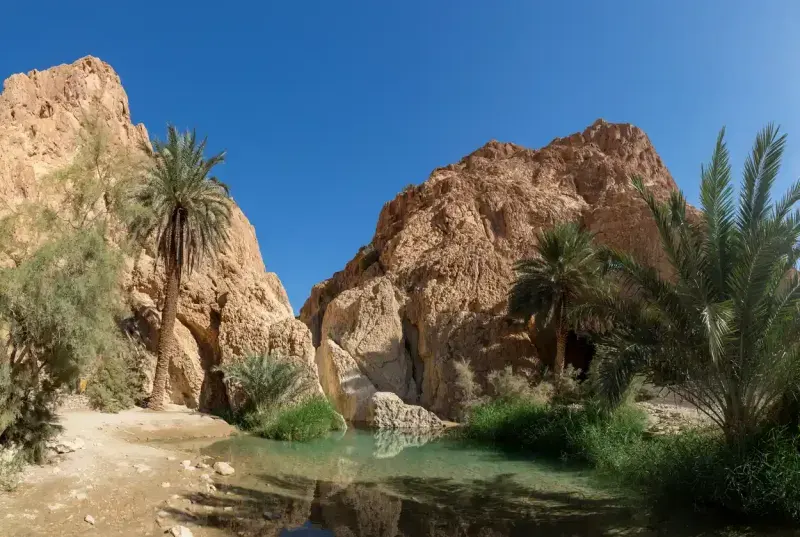
This is harvest season: date palms heavy with fruit in Tozeur oases, olive groves around Sfax ready for pressing, saffron fields turning purple-gold in mountain valleys. Ancient kasbahs glow amber in autumn's slanted photographer's light while traditional harvest festivals reveal authentic rural life. The Sahara transforms from summer inferno to comfortable adventure perfect for camel treks, overnight desert camps, and 4x4 expeditions under star-thick skies.
Experienced travelers plan autumn trips for Tunisia's best combination: summer's warmth without overwhelming heat, spring's comfortable temperatures without unpredictable showers, and shoulder-season prices 30-50% below peak. Autumn is Tunisia's secret weapon, the season that combines everything perfectly.
See the world through the eyes of our travelers and Get inspired by real experiences!
Explore our curated travel blogs to Stay updated with the latest travel tips, destination guides, and insider stories!
From travel tips to destination highlights - Explore our travel guide!