
 Home
Home
What Most Tourists See vs. What They Miss
Tourists arriving at Giza often mistake Khafre's pyramid as the tallest due to a clever architectural illusion. Khufu's pyramid stands taller at 138.5 meters compared to Khafre's 136.4 meters. The pyramid's location, 10 meters higher on the plateau, creates a deceptive point of view. Original limestone casing stones at its peak boost this visual effect even further.
Many visitors admire the exterior only. They don't realize Khafre's pyramid has two distinct entrances. One entrance sits 11.54 meters up the northern face while another lies at ground level. These entrances offer different paths to reach the burial chamber.
Remarkable features inside remain hidden from most tourists:
- A single burial chamber (14.2 meters × 5 meters) carved from bedrock
- A granite sarcophagus sunken partially into the floor
- A mysterious hall in the center of the lower corridor, possibly a treasury
Khafre's Valley Temple stands remarkably well-preserved but often goes unnoticed. This temple's original collection included 52 life-size statues of the king. The famous seated statue showing Khafre with the Horus falcon behind his head remains its most notable piece.
The Great Sphinx shares a special connection with this pyramid. This iconic monument stands beside the causeway leading from the Valley Temple. Workers carved it for Khafre using limestone quarried during his temples' construction.
It appears taller because it was built on higher ground and still preserves original limestone casing stones at the top.
The Pyramid of Khafre has two entrances on the north side, offering different paths to the burial chamber.
Inside the Pyramid: A Journey Through Hidden Chambers
You need a separate ticket to enter Khafre's pyramid beyond the main Giza entry. The interior reveals an ingenious design as visitors walk through dimly lit corridors.
Two descending passageways merge into a single burial chamber. These passages are offset 12 meters east of the pyramid's centerline. Some experts believe this offset suggests initial plans to extend the pyramid's northern base, which could have made Khafre's monument bigger than his father's.
The burial chamber stretches 14.2 meters by 5 meters. Builders carved it directly into bedrock and topped it with a gabled limestone roof. A unique black granite sarcophagus sits partially embedded in the floor. The sarcophagus lid remains in the chamber and rests against the west wall.
Next to the main passages, there's a subsidiary chamber measuring roughly 34 feet by 10 feet. This space likely stored offerings and burial equipment, serving purposes similar to the Queen's Chamber in Khufu's pyramid.
Modern science has revealed more mysteries. Muon tomography scans have found anomalies that point to unknown internal spaces or chambers. These "light spots" show up where no known passageways exist. The pyramid might still hold secrets from its construction over 4,000 years ago.
Inside the Pyramid of Khafre are descending corridors, a burial chamber carved into bedrock, a granite sarcophagus, and a subsidiary chamber.
Yes, modern muon tomography scans suggest the presence of unknown voids or hidden spaces inside the pyramid.
Auxiliary Structures of the Khafre Complex
Khafre's complex features remarkable structures beyond its main pyramid that many visitors miss. The south side reveals a satellite pyramid, reduced now to foundation outlines and scattered blocks. This smaller pyramid featured two descending passages, with one leading to a niche that stored ritual furniture.
The complex's mortuary temple stands to the east, surpassing earlier examples in size. It pioneered all five standard elements: entrance hall, columned court, statue niches, storage chambers, and inner sanctuary. The temple's grandeur included over 50 life-size statues of Khafre, constructed with massive blocks weighing up to 400 tons.
A 494.6-meter causeway leads to the valley temple, one of Egypt's best-preserved ancient structures. The temple's design showcases T-shaped halls with granite pillars, alabaster floors, and exterior blocks exceeding 100 tons. The temple's walls once displayed 23 statues of the pharaoh.
Near the mortuary temple, five boat pits emerge from carved rock bases [37, 38], symbolizing the trip to the afterlife.
The Sphinx Temple rests on a terrace eight feet below the Sphinx. Its unique dual-sanctuary design lines up with sunrise and sunset. These lesser-known elements reveal the complex's architectural brilliance and deep religious symbolism.
Internal Features and Architectural Planning of Pyramid of Khafre
The Pyramid of Khafre is much more than the second-largest structure on the Giza plateau. Tourists admire its external grandeur, but the hidden chambers and passages inside tell a much richer story. Most visitors never see the dual entrances, the granite sarcophagus embedded in the burial chamber floor, or the mysterious subsidiary spaces that stored offerings for the pharaoh's afterlife experience.
The complex stretches into an intricate network of structures beyond the main pyramid. The valley temple's impressive preservation once showcased dozens of Khafre's life-size statues. The causeway, boat pits, and satellite pyramid show the remarkable scope of ancient Egyptian architectural planning.
Modern Exploration and Design Ingenuity
Scientific breakthroughs, especially with muon tomography scanning, hint at undiscovered chambers still hidden after 4,000 years. These potential voids remain unexplored until future technology reveals their secrets.
The pyramid's clever positioning, 10 meters higher on the plateau, creates an illusion that makes it appear taller than its neighbor. This smart design, along with the original limestone casing stones at its peak, shows the ingenuity behind these ancient structures.
A separate ticket lets you access these hidden wonders on your next Giza visit. Walking through the same narrow passages that once led a pharaoh to his final resting place creates a unique connection to ancient Egypt that you can't get from just looking at the exterior. The Pyramid of Khafre deserves a deeper look beyond its impressive façade - you'll find hidden chambers that most tourists never get to see.
Khafre’s Valley Temple is one of the best-preserved temples in Egypt and once housed dozens of life-size statues of the pharaoh.
Customize Your Dream Vacation!
Get in touch with our local experts for an unforgettable journey.
Plan Your TripThe Pyramid of Khafre dominates the Giza plateau as its second tallest structure. Behind its impressive exterior lie hidden chambers and passageways that most tourists never see. These mysterious inner sanctums once housed Pharaoh Khafre's remains during his reign from 2558-2532 BC.
This ancient wonder stands 136.4 meters (448 feet) tall today, down from its original height of 143.5 meters (471 feet), and continues to fascinate researchers and travelers alike. A massive base of 215.25 meters (706 feet) supports the structure, which has an estimated volume of 2,211,096 cubic meters. Khafre's pyramid distinguishes itself from its larger neighbor by retaining some original outer casing stones at its apex - a rare glimpse of these monuments' former glory.
This colossal Fourth Dynasty tomb features a surprisingly simple interior layout compared to other pyramids. A single main burial chamber connects to a small subsidiary chamber through two passageways. The complex holds architectural and historical treasures that casual visitors rarely see, particularly in its well-preserved valley temple. This piece will take you beyond the typical tourist routes to find the hidden chambers and forgotten spaces that make Khafre's Pyramid truly extraordinary.
The Pyramid of Khafre is the second-largest pyramid at Giza, built during the Fourth Dynasty as the royal tomb of Pharaoh Khafre.
The Pyramid of Khafre is important for its advanced construction, hidden chambers, and its close connection to the Great Sphinx and valley temple.



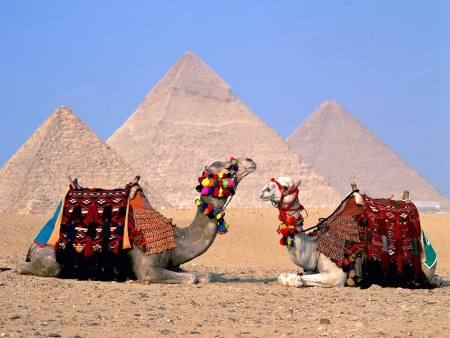
Explore the wonders of Giza Necropolis Egypt, including the Great Pyramid, Sphinx, and ancient tombs in this ultimate traveler's guide.
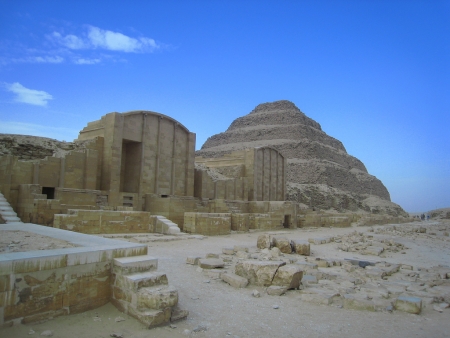
Explore Saqqara Pyramids Egypt, including the iconic Step Pyramid and ancient tombs. Dive into the mysteries of this legendary site now.
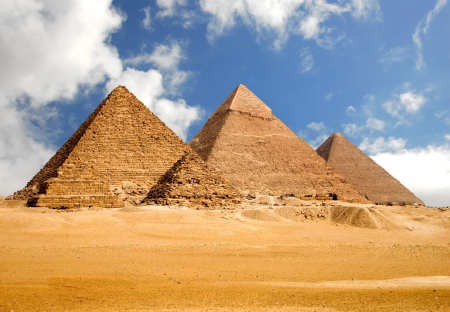
Discover the ultimate Egyptian Pyramids Guide with facts on history, construction, and locations to plan your unforgettable adventure.
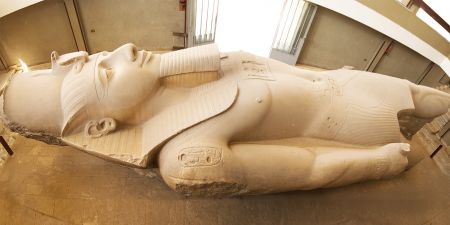
The City of Memphis was one of the oldest and most important cities in ancient Egypt. Located at the entrance to the Nile River Valley near the Giza plateau, it served as the capital of ancient Egypt.
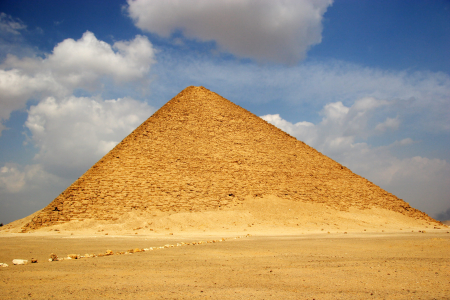
The Dahshur pyramids, located southwest of Cairo, are among Egypt’s most important ancient monuments and home to the iconic Red Pyramid. As part of the historic Dahshur necropolis, they offer a quiet, uncrowded glimpse into early pyramid architecture.

The Pyramid of Khufu, also known as the Cheops Pyramid, is the oldest and largest pyramid in Egypt, located on the Giza Plateau. Built around 2600 BC, it is the only surviving wonder of the ancient world and a symbol of ancient Egyptian engineering.

The Pyramid of Khafre is a remarkable Giza monument with hidden chambers, secret passages, and fascinating facts beyond its exterior.

The Pyramid of Menkaure in Giza is small yet fascinating, revealing granite design, hidden chambers, and discoveries inside.
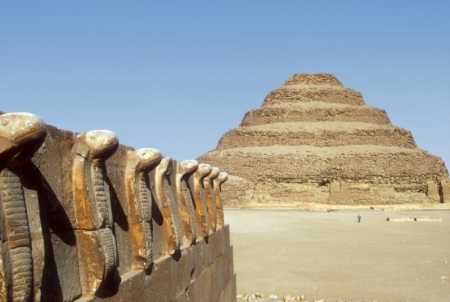
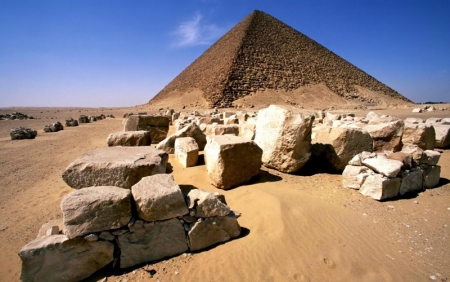
The Red Pyramid at Dahshur, Egypt, is Sneferu’s architectural masterpiece. Discover its history, design, chambers, and role in ancient Egyptian civilization.

The Bent Pyramid at Dahshur, built by Pharaoh Sneferu around 2600 BCE, features a unique slope change, dual entrances, and intact limestone casing. This architectural innovation influenced later pyramids like the Red Pyramid and the Great Pyramid of Giza.
